Project Overview
To support the 2024 cooling system optimization, I designed and built UTFR's first comprehensive radiator characterization test bench. This pioneering experimental setup allowed us to gather critical thermal performance data that informed our CFD models and cooling system design decisions. The project marked a significant advancement in our team's experimental capabilities and data-driven engineering approach.
Integration: This experimental characterization directly supported the 2024 cooling system optimization and CFD radiator simulation work.
Test Bench Development
The characterization setup was designed to accurately measure radiator heat transfer performance under controlled conditions:
- Controlled Environment: Isolated testing chamber to minimize external thermal influences
- Precise Measurements: Multiple thermocouples and flow sensors for comprehensive data collection
- Variable Conditions: Adjustable airflow rates and coolant temperatures to simulate real operating conditions
- Data Acquisition: Custom circuit board for synchronized sensor data collection
Custom Circuit Board Design
I designed and fabricated a custom data acquisition circuit board specifically for this testing, similar to the drivetrain datalogger system:
Multi-Sensor Integration
Integrated thermocouples, flow meters, pressure sensors, and fan speed controls into a single acquisition system
Real-Time Data Processing
High-frequency data sampling with onboard processing for immediate validation and system control
Analytical Validation
In addition to experimental testing, I developed analytical calculations in Excel to validate and correlate the experimental results:
- Heat transfer coefficient calculations based on fundamental thermal principles
- NTU-effectiveness method for heat exchanger performance prediction
- Correlation between experimental data and analytical predictions
Experimental Results & Data Collection
The comprehensive testing campaign generated valuable performance data across multiple operating conditions:

Closeup view of radiator fans and mounting system used in characterization testing

Complete radiator characterization test bench showing all measurement systems and control equipment

Excel spreadsheet showing analytical radiator performance calculations and validation correlations

Thermal imaging of the complete test setup showing temperature distribution across all components

Detailed thermal camera analysis of radiator surface temperatures during testing
Impact & Historical Significance
This characterization work established new experimental capabilities for UTFR:
- First in UTFR History: Pioneering comprehensive radiator testing methodology
- Data-Driven Design: Generated extensive performance database for future cooling system development
- Experimental Validation: Provided empirical data to validate CFD models and analytical predictions
- Team Capability: Established experimental thermal testing as a core engineering competency
- Knowledge Transfer: Created documented procedures for future radiator characterization work
Future Applications: This characterization methodology and data will support advanced thermal simulations in the integrated MATLAB Simulink framework.
Related FSAE Projects

2023 Cooling System Design
2023Initial cooling system architecture and component selection.
Impact: Designed complete cooling loop for a first year electric FSAE vehicle, ensuring adequate thermal management for motor and battery systems under competition conditions

2024 Cooling System Design & Thermal Optimization
2024Advanced thermal management optimization using CFD analysis and experimental validation, building on the 2023 foundation with significantly improved routing and component placement to achieve 10% cooling efficiency improvement and 5°C temperature reduction.
Impact: Achieved 10% cooling efficiency improvement and 5°C motor temperature reduction through CFD-driven design optimization
CFD Radiator Simulation
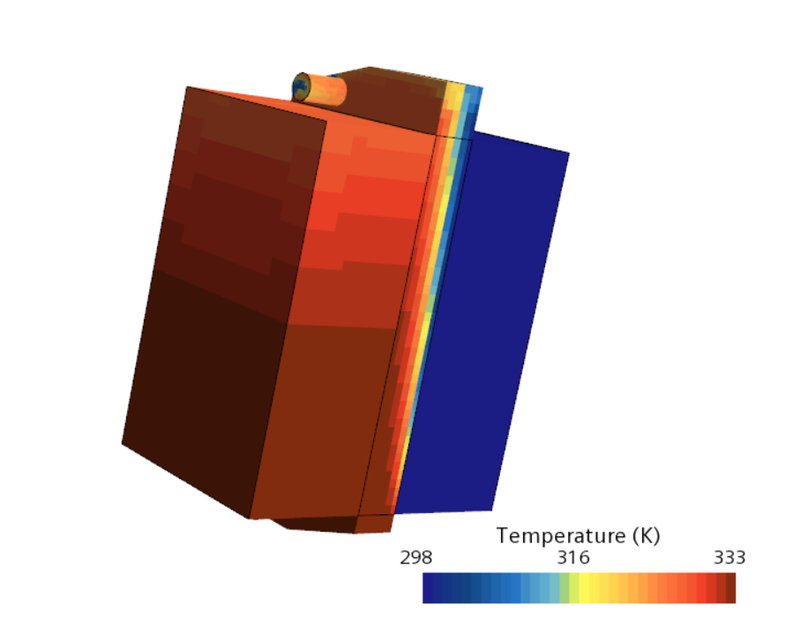
2024Developed STAR-CCM+ expertise for thermal analysis by creating a comprehensive radiator model using porous media approach, establishing foundation for advanced CFD thermal simulations in electric vehicle cooling systems.
Impact: Established STAR-CCM+ thermal analysis capabilities and created validated radiator model for cooling system optimization